
Evidence before parts
A scan result can guide testing, but it should not automatically become a parts list. The cause must fit the symptom and the measured evidence.
Greater Seattle · Puget Sound, Washington
Choose the symptom, vehicle, expected repair, or location you already know. Auto Sport Imports connects Greater Seattle and Puget Sound drivers with U.S.-market repair guidance, planning prices, and checked public shop profiles.
U.S.-market repair guidance for drivers of Audi, BMW, Mercedes-Benz, MINI, Volkswagen, and other imported vehicles.
U.S. import-vehicle focus
Start with your question
You do not need a diagnosis to begin. Pick the information you already have—the symptom, vehicle, expected repair, or location—and move toward a more specific decision.
Start by vehicle
Start by expected work
A dealer-alternative mindset
Good repair decisions do not depend on a slogan. They come from a confirmed concern, documented findings, an understandable recommendation, clear authorization, and a final check. Auto Sport Imports preserves that practical focus while rebuilding the site around information drivers can use.
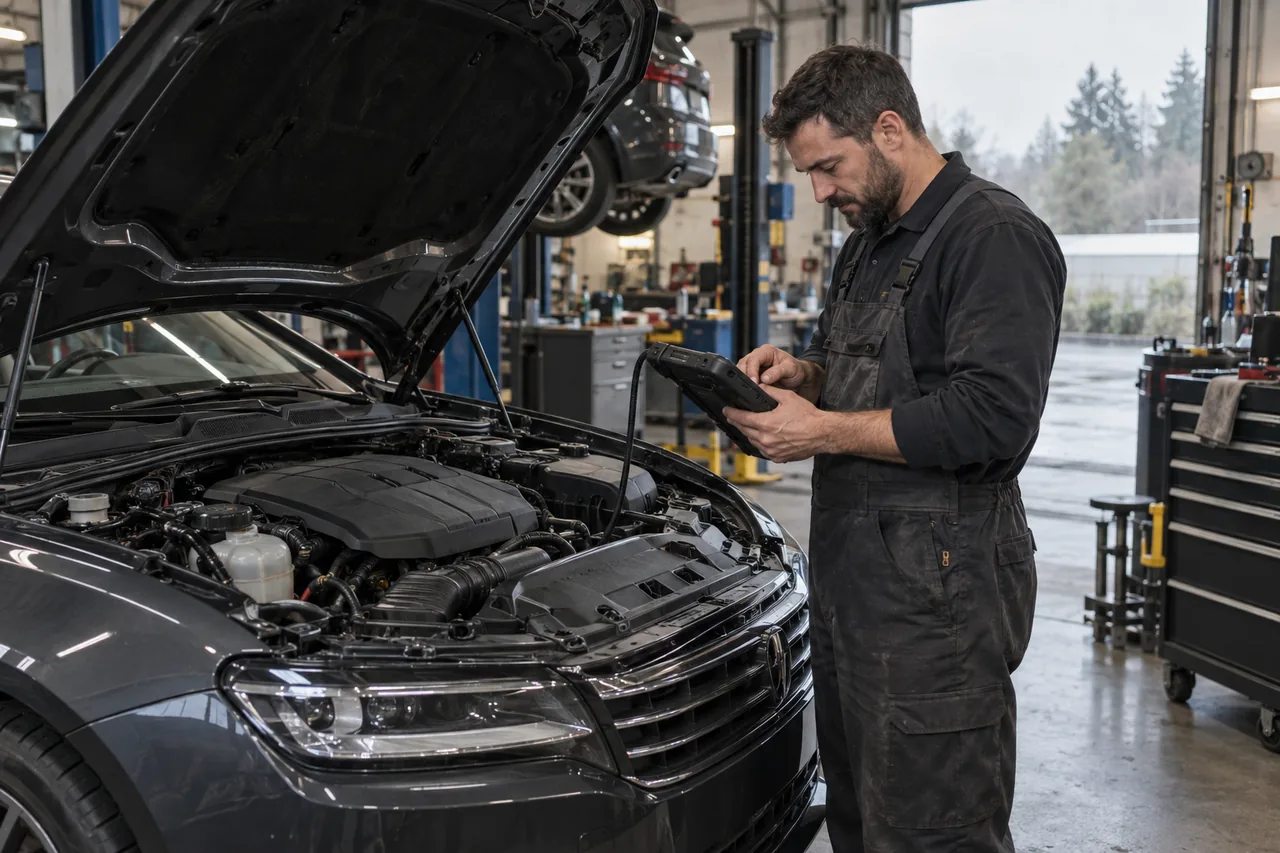
A scan result can guide testing, but it should not automatically become a parts list. The cause must fit the symptom and the measured evidence.
Model, engine, mileage, use, repair history, and current condition all affect what is urgent, what can wait, and what deserves monitoring.
A useful digital inspection organizes photos, measurements, observations, and priorities so the recommendation can be reviewed rather than simply accepted.

Greater Seattle and Puget Sound
The directory includes 10 public shop profiles across Seattle, SeaTac, Burien, Bellevue, Redmond, Kirkland, and Tacoma. It is a neutral starting set—not a ranking or complete list.
Service directory
Start broad when the cause is uncertain. Each pathway explains what should be inspected, what tests can distinguish, and what a completed repair should resolve.
Warning lights, drivability concerns, noises, leaks, and electrical symptoms need a test plan—not a guessed part.
Understand diagnostics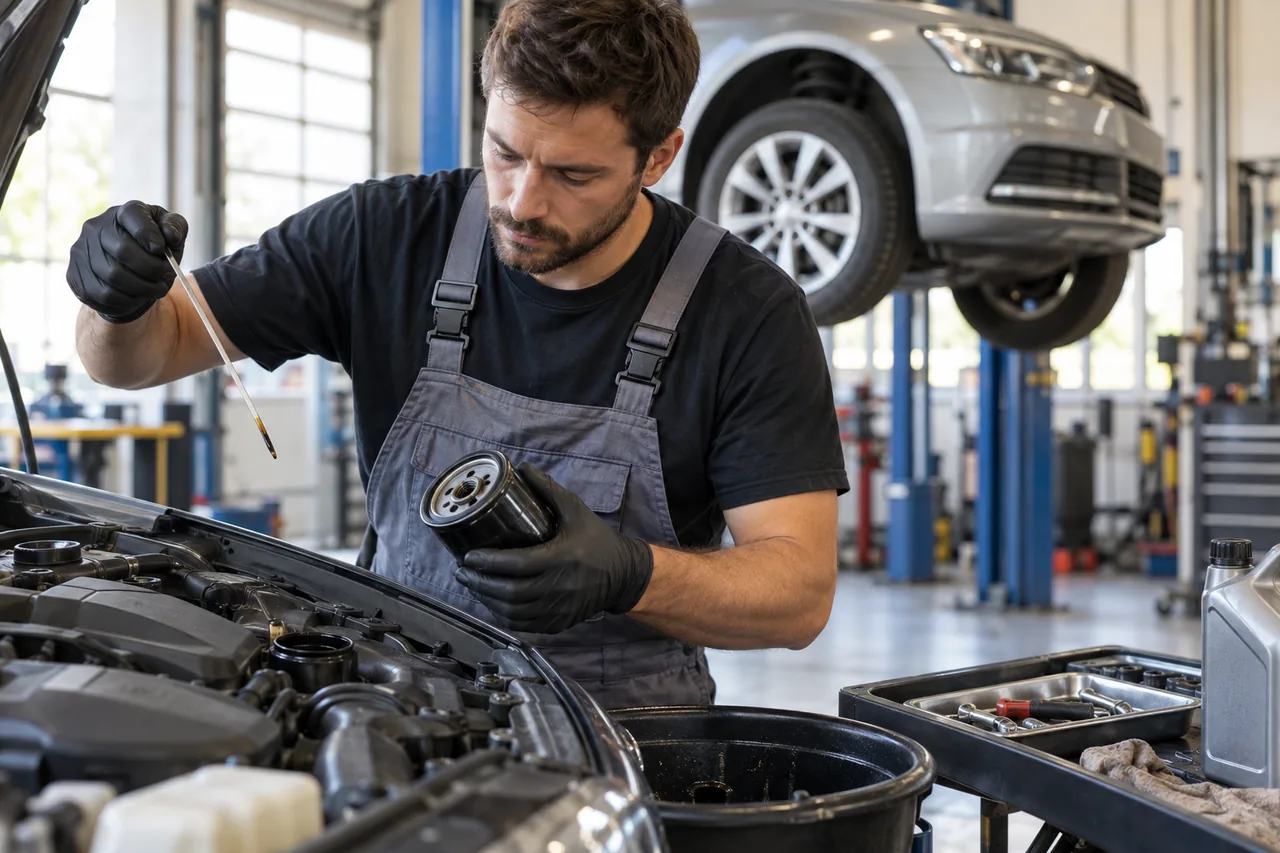
Start with the symptom, inspection evidence, diagnostic scope, authorization questions, and a clear verification plan before parts are selected.
Plan an auto repair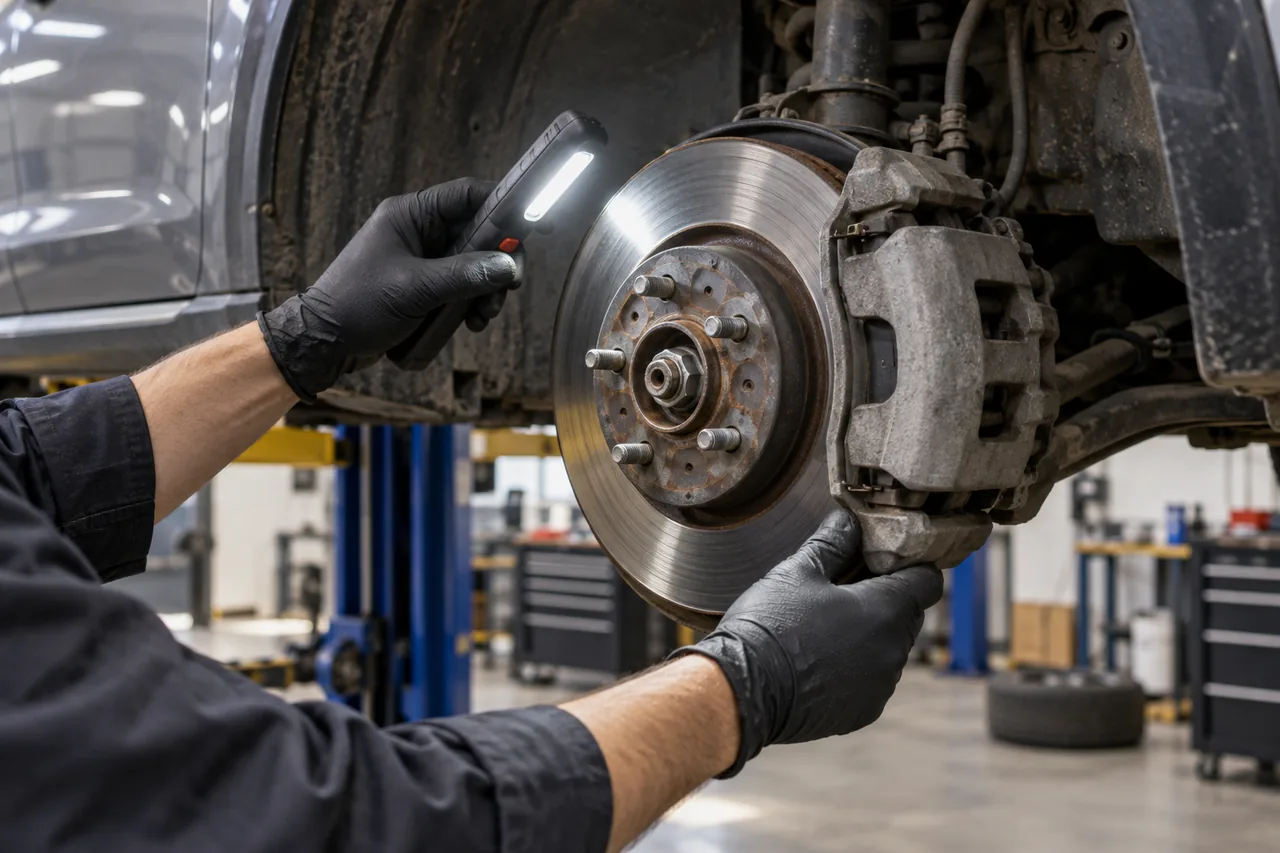
Separate normal wear from hydraulic, electronic, steering, suspension, tire, and wheel concerns before approving work.
Browse service topics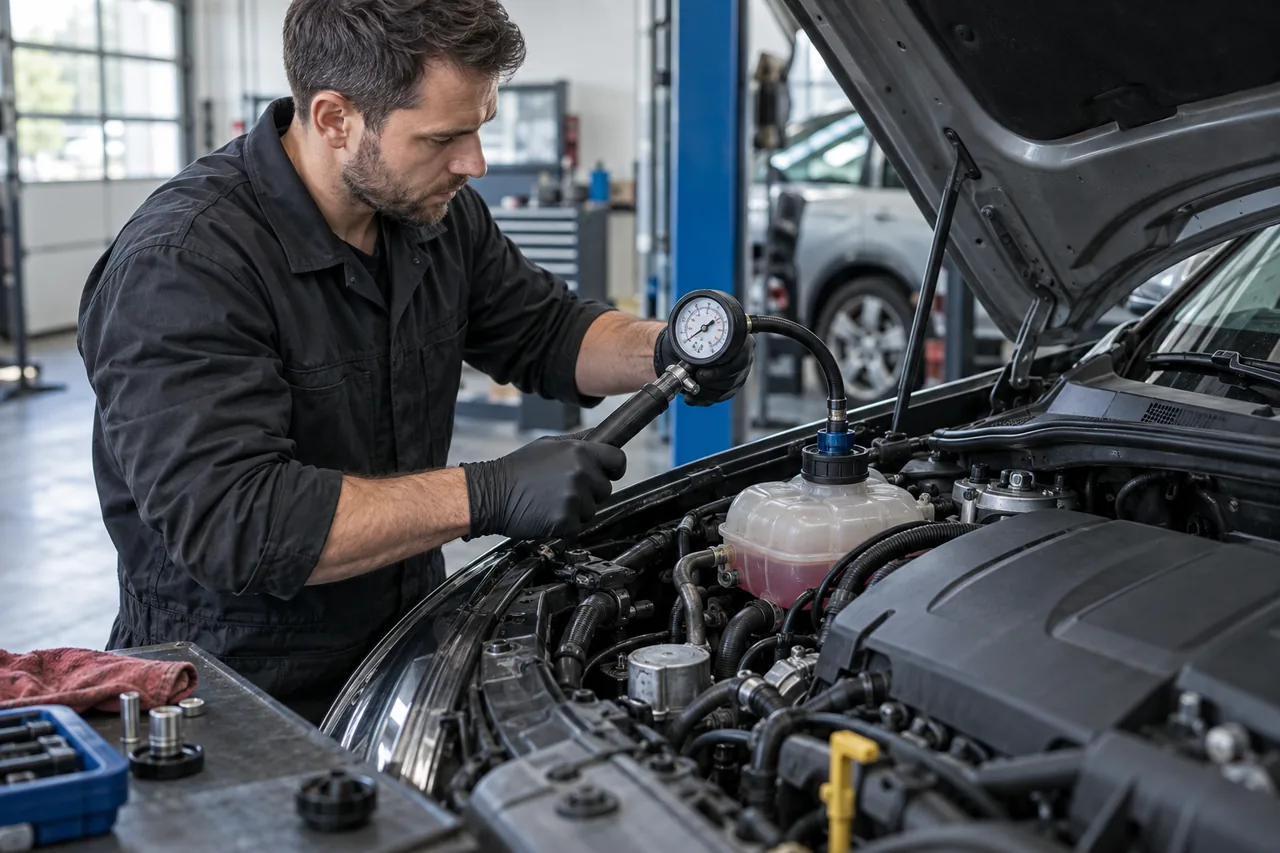
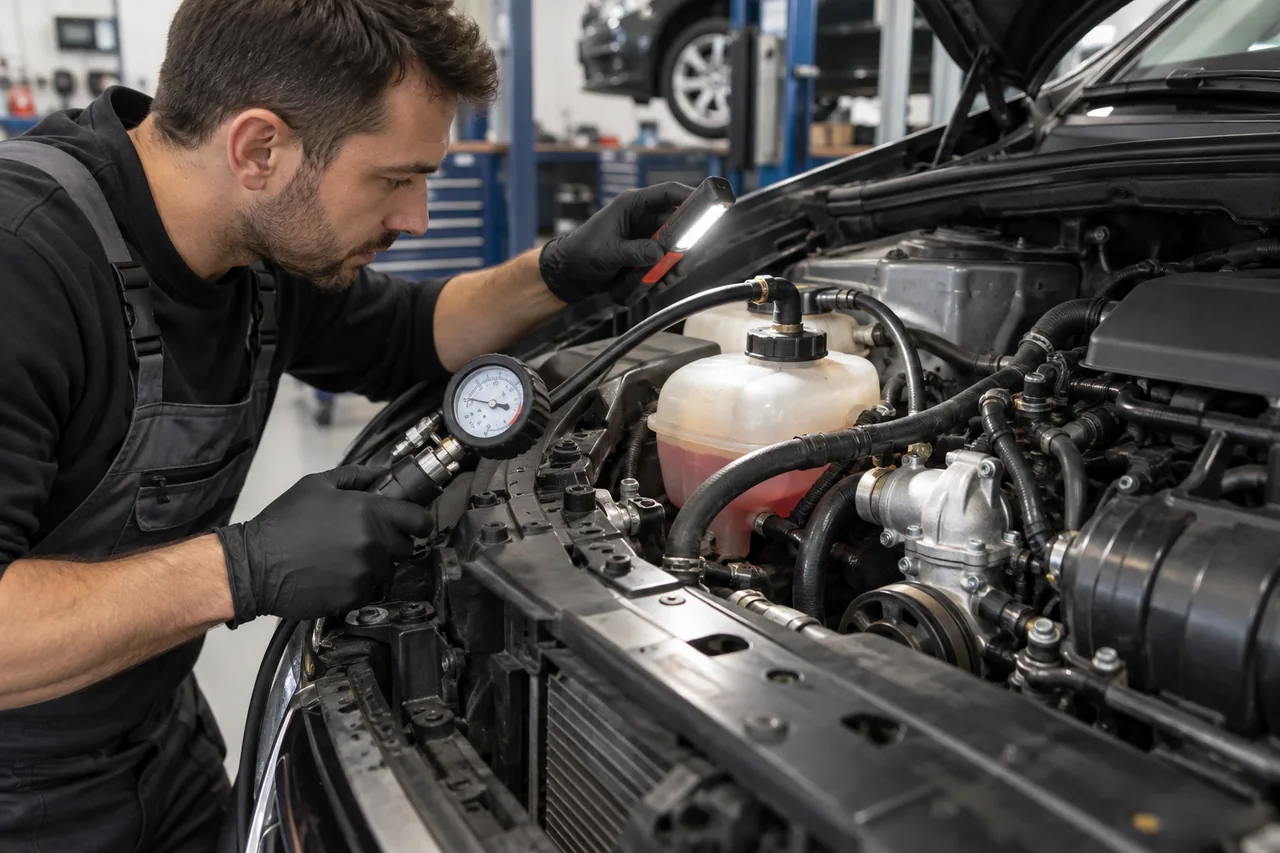
Overheating, coolant loss, oil leaks, and poor running can share symptoms. Pressure, temperature, and mechanical checks narrow the cause.
Review cooling diagnosis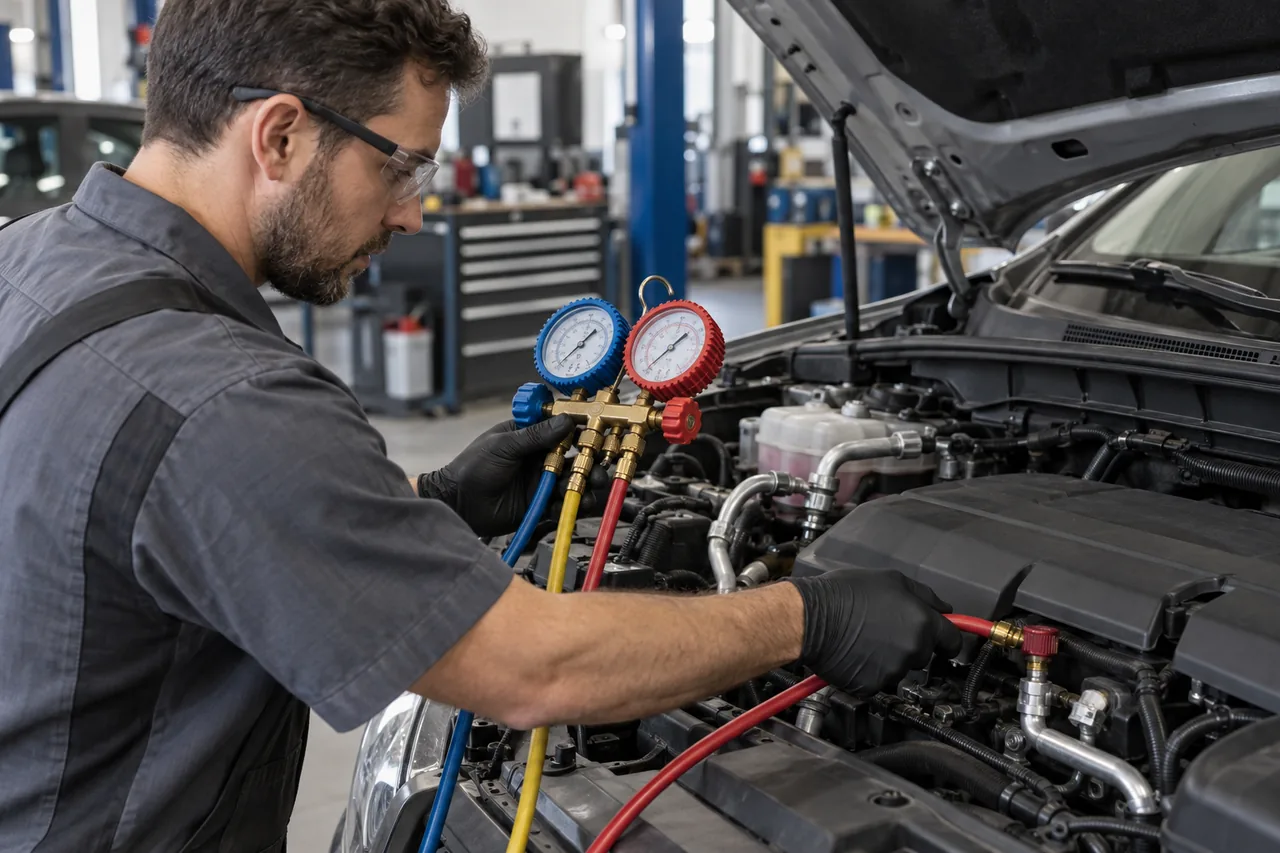
Weak A/C may involve refrigerant charge, airflow, sensors, electrical controls, leaks, or compressor operation.
Explore A/C diagnosis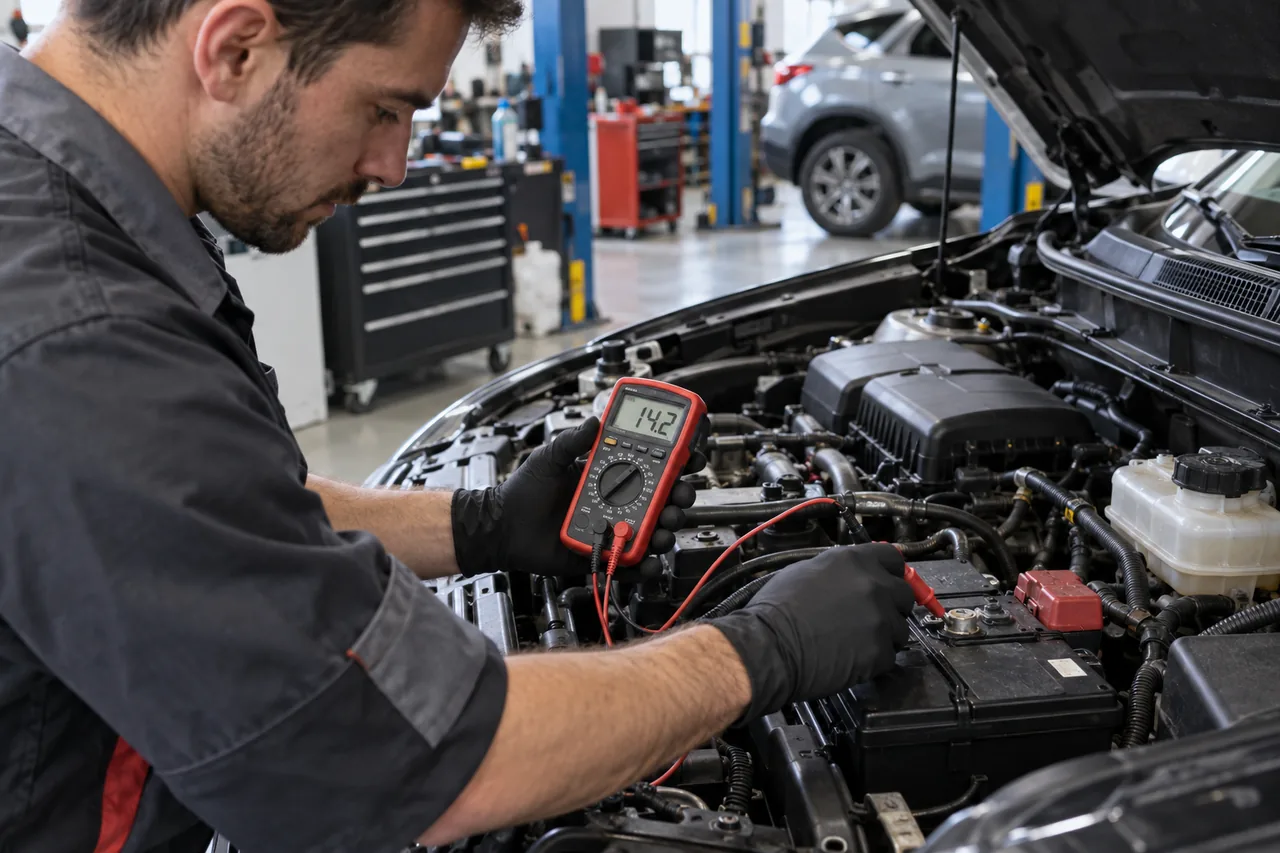
Battery, charging, starting, network, module, wiring, and sensor faults require measurements under the right conditions.
Diagnose electrical faultsFrom concern to confirmation
This sequence applies whether the issue is a warning light, weak air conditioning, coolant loss, a brake concern, or scheduled maintenance. It also gives you a practical checklist for the service conversation.

Record when the symptom occurs, the warning shown, recent work, temperature, speed, and anything that changes it.
Confirm the concern, inspect related systems, retrieve relevant data, and test likely causes instead of stopping at a code.

Separate safety or damage-prevention work from maintenance, monitoring, and optional improvements.

Review the evidence, scope, parts and labor assumptions, and the method that will verify the completed repair.

Recheck the original symptom, affected system, warning status, operating conditions, and any required follow-up.
Featured guide
Coolant loss, noise, temperature fluctuation, or overheating may also involve hoses, a thermostat, radiator, fans, reservoir, seals, or an incorrect bleeding procedure.
Read the complete guidePopular diagnostic guides
Latest published resources
Recently published resources appear here automatically by their original publication date.
Driver-area update · September 2026
The distance from Auburn makes “see if it gets worse” a poor plan for overheating, low oil pressure, severe vibration, fuel odor, tire damage, or unstable braking.
Read resource →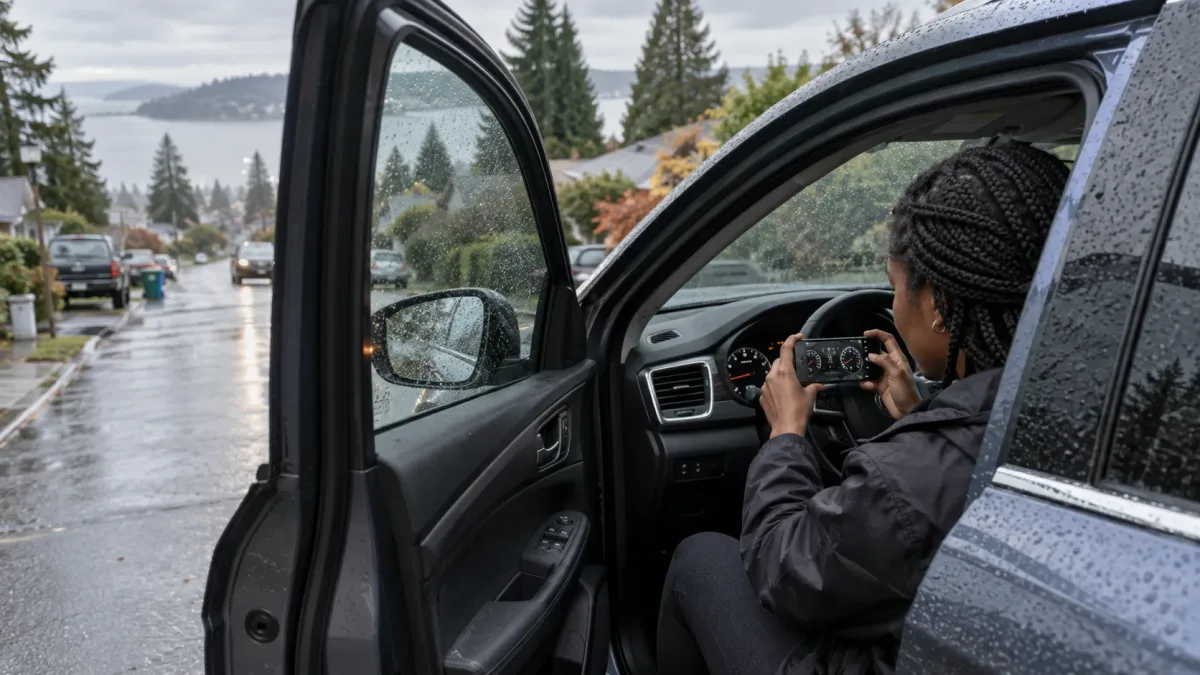
Driver-area update · September 2026
Burien drivers often combine neighborhood hills, short cold trips, SR 509 access, and airport-area traffic. Those conditions help reproduce a symptom but do not identify the failed part.
Read resource →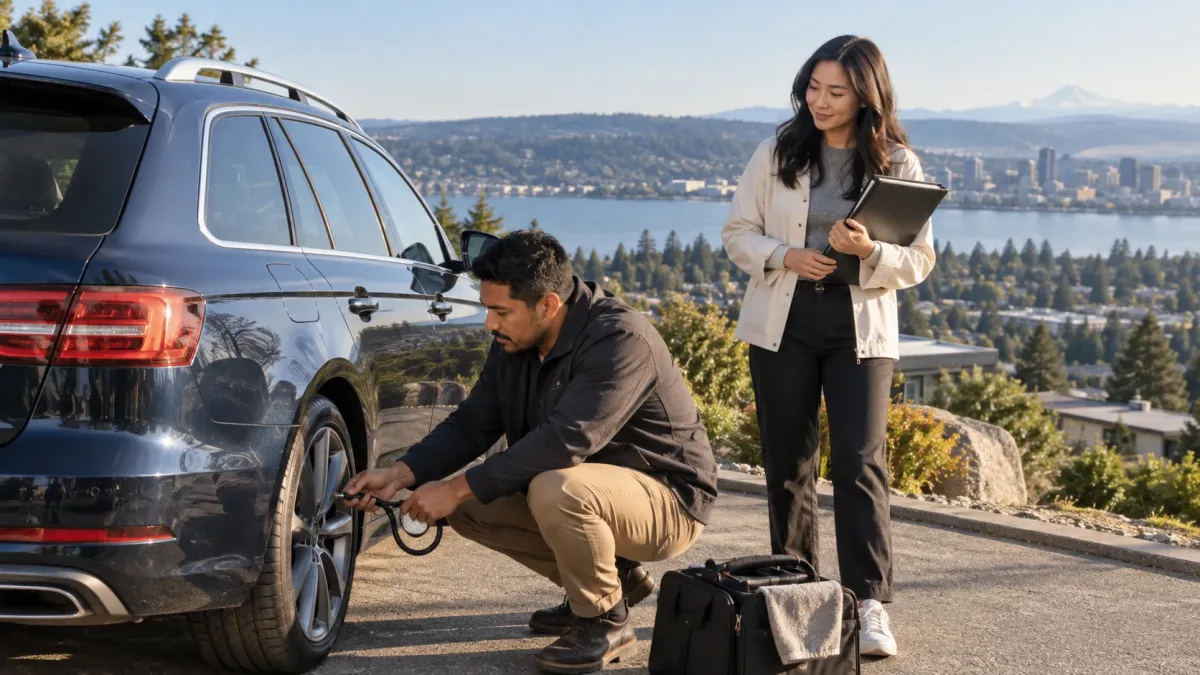
Driver-area update · September 2026
A symptom that appears climbing from the lake or joining I-405 may disappear at the shop. Record the operating condition so diagnosis can reproduce the load without guessing.
Read resource →
Driver-area update · September 2026
Tukwila driving can shift quickly from surface streets to I-5, I-405, and SR 518. A marginal cooling, tire, or charging problem deserves a route decision before congestion adds heat and load.
Read resource →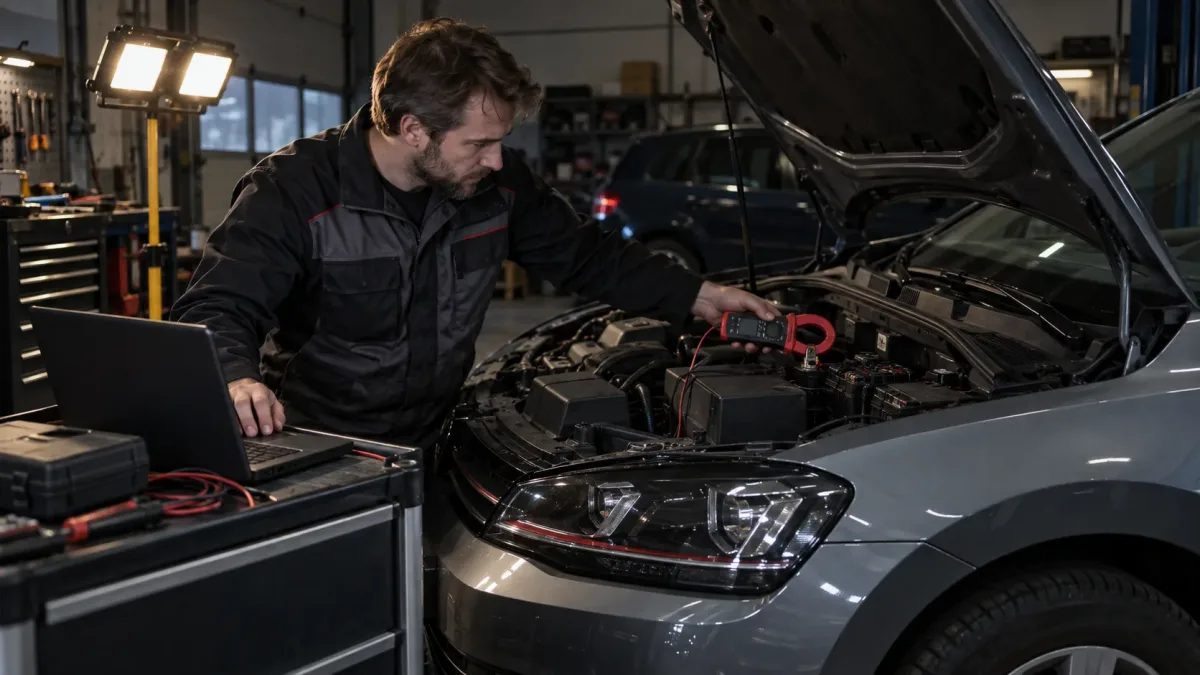
Technical guide · September 2026
A vehicle that starts after a jump and fails again the next morning may have a weak battery, incomplete charging, abnormal key-off draw, or several causes together.
Read resource →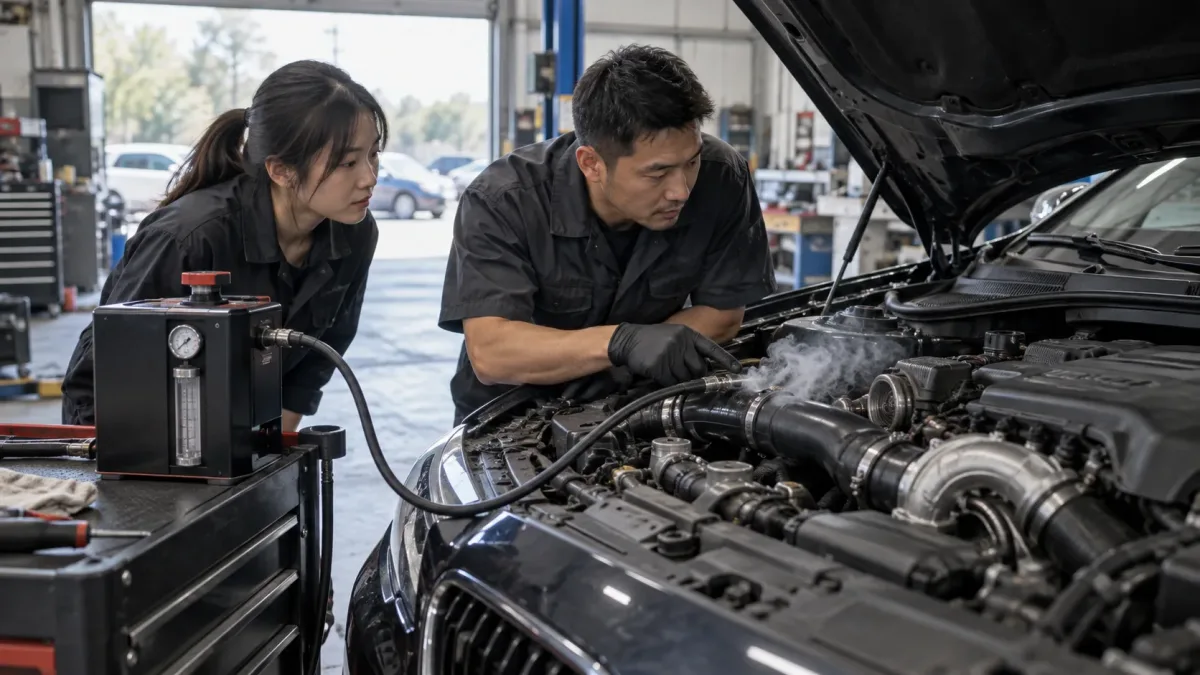
Technical guide · September 2026
Air leaks, exhaust leaks, control faults, sensors, fuel limits, engine condition, and protective software can all reduce requested or delivered boost.
Read resource →Common questions
No. A code identifies the system and conditions in which the control module detected a fault. Inspection and testing are still needed to distinguish component, wiring, mechanical, air, fuel, and control problems.
Stop in a safe place when there is a flashing warning light, overheating, smoke, a strong fuel odor, severe shaking, loss of braking or steering, or another condition that may be unsafe or cause rapid damage.
It should identify the confirmed concern, proposed work, included parts and labor, important assumptions, items not included, and how the result will be checked.
Choose your next step
Browse by vehicle when you know the make, by service when you know the system, or by guide when you want to understand the decision first.


